By now, you’ve probably heard the term “blockchain” tossed around in conversations about cryptocurrency, finance, or emerging technology. It often comes with an aura of complexity, as if it’s a secret language spoken only by coders, techies, or crypto investors. But here’s the reality: blockchain is not just for Bitcoin enthusiasts or Silicon Valley engineers. It’s a groundbreaking innovation that has the potential to reshape how we store information, conduct transactions, and build trust in the digital age.
Imagine a ledger—a record book. Now imagine that this ledger is not kept by a single person but is shared among thousands, even millions, of people. Everyone can see it. No one can change past entries without everyone else noticing. That’s the core concept of blockchain.

This article will help you understand the basics of blockchain technology, breaking it down in simple, relatable language. By the end, you’ll not only know what blockchain is but also why it matters and how it’s poised to transform various industries far beyond cryptocurrency.
1. What is Blockchain? A Simple Explanation
Let’s begin with the word itself: “blockchain.” It’s a combination of two words: block and chain.
A block contains digital information (data).
A chain is a public database that links those blocks together.
Think of it like this:
Each block is a page in a notebook. Once the page is filled with information (transactions or records), it’s time to move on to the next page. All the pages are linked together in chronological order. And this notebook isn’t stored in a drawer—it’s distributed across thousands of computers around the world.
Every time a new block is created, it is added to the chain, forming a continuous timeline of information that cannot be altered. This is the core of what makes blockchain secure and trustworthy.
2. The Key Characteristics of Blockchain
To really grasp why blockchain is so revolutionary, you need to understand its fundamental features:
a. Decentralization
In traditional systems (like banks or government databases), information is stored on central servers. This means one organization controls the data.
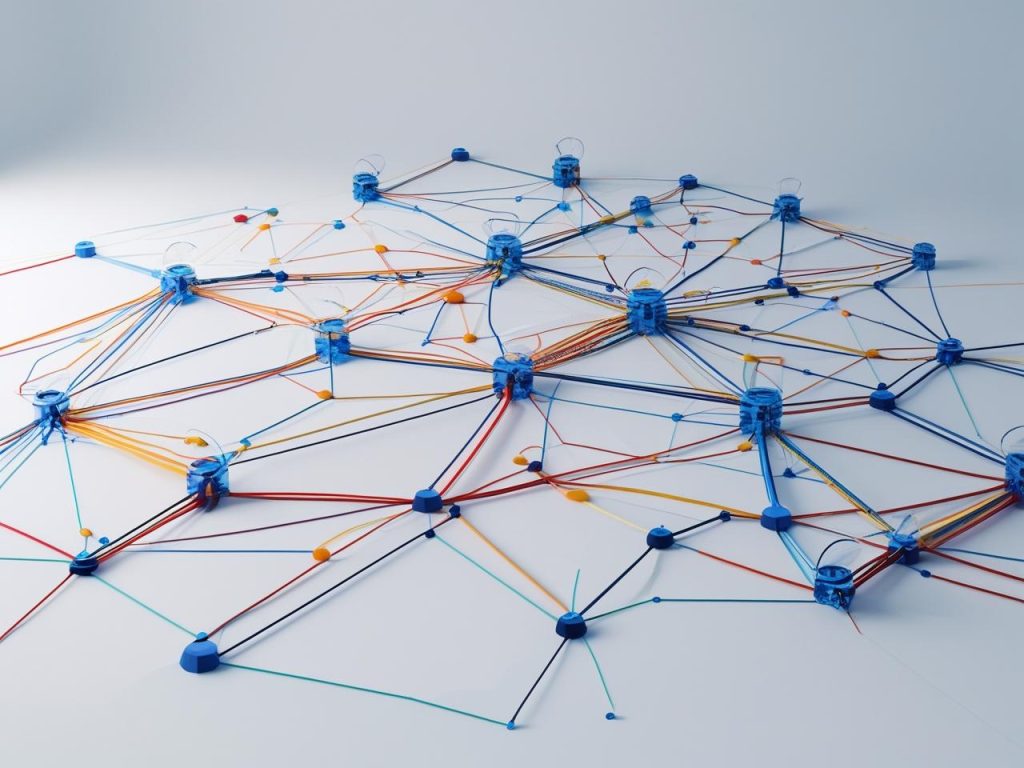
In blockchain, information is stored decentrally across a network of computers (called nodes). No single person or entity owns the data, which makes it more democratic and secure.
b. Transparency
Every transaction on a public blockchain is visible to all users. This doesn’t mean your private details are public, but the actions taken (like “wallet A sent 1 Bitcoin to wallet B”) are recorded and accessible. This transparency builds trust because nothing can be hidden or manipulated without everyone else knowing.
c. Immutability
Once information is recorded on a blockchain, it cannot be changed. It’s locked in. This prevents fraud, tampering, and “rewriting history.” It also ensures accountability, as all actions are permanently recorded.
d. Security
Blockchain uses cryptographic algorithms to secure data. Every block has a unique digital fingerprint (called a hash). If someone tries to alter the contents of a block, its hash changes, alerting the network and rejecting the tampered block. This makes blockchain resilient to hacking and data breaches.
3. How Blockchain Works (Step-by-Step)
Let’s walk through how blockchain operates, using a simple transaction as an example.
Step 1: A Transaction is Requested
You want to send money to a friend using Bitcoin. You enter the amount and the recipient’s wallet address.
Step 2: The Transaction is Broadcast
Your request is sent out to a network of peer-to-peer computers (nodes).
Step 3: Verification by the Network
These nodes use algorithms to validate the transaction. They check:
- Do you have enough balance?
- Is the sender’s identity valid?
This process is called consensus. Different blockchain networks use different consensus mechanisms like Proof of Work or Proof of Stake (explained later).
Step 4: The Transaction is Added to a Block
Once verified, your transaction is grouped with others and added to a new block.
Step 5: The Block is Added to the Chain
The new block is linked to the previous block, creating a chain. Once this happens, the transaction is complete, and the information is permanent and transparent.

4. Types of Blockchains
There isn’t just one blockchain. In fact, there are several types tailored for different use cases.
a. Public Blockchain
Anyone can join, read, and write data (e.g., Bitcoin, Ethereum). It’s open and transparent but can be slower due to its large size.
b. Private Blockchain
Used by organizations for internal purposes. Participation is restricted to authorized users only. It’s faster but less decentralized.
c. Consortium or Hybrid Blockchain
A mix of public and private models. Multiple organizations manage the network collectively. Useful in industries like supply chain and banking.
5. Blockchain vs. Traditional Databases
To better understand blockchain’s value, let’s compare it to a traditional database.
| FEATURES | TRADITIONAL DATABASE | BLOCKCHAIN |
| Control | Centralized (One Entity) | Decentralized (Multiple modes) |
| Data | Modification Allow and Common | Not allowed (immutable) |
| Transparency | Limited | High (Especially public blockchain) |
| Security | Vulnerable to breaches | Highly secure through encryption |
| Trust | Relies on the Central authority | Built into the system |
6. Real-World Use Cases of Blockchain
Blockchain is more than cryptocurrency. It’s finding real applications across multiple industries. Here are some examples:
a. Supply Chain Management
Blockchain can track goods from manufacturer to consumer. This creates transparency, reduces fraud, and improves quality control.
Example: Walmart uses blockchain to track food supply chains. They can trace the origin of contaminated produce in seconds, improving food safety.
b. Healthcare
Patient records can be stored securely and accessed by authorized personnel. Blockchain ensures data integrity and privacy.
Imagine having your entire medical history securely available at any hospital or clinic in the world—without carrying paperwork.
c. Voting Systems
Blockchain-based voting can eliminate fraud and boost trust in election outcomes. Votes are recorded immutably and transparently.
d. Real Estate
Buying and selling properties can be streamlined through blockchain. Smart contracts (self-executing code) can transfer ownership automatically once conditions are met.
e. Digital Identity
Blockchain can give individuals control over their digital identity, protecting against identity theft and fraud.
Instead of relying on centralized databases that get hacked, your identity could be secured on the blockchain and only shared when necessary.
7. Understanding Smart Contracts
A smart contract is a self-executing contract with the agreement directly written into code. It automatically triggers actions when predefined conditions are met.
Think of it like a vending machine: you insert money, and it automatically delivers a snack. No cashier needed.Smart contracts eliminate middlemen, reduce paperwork, and speed up processes in:
- Insurance claims
- Freelance payments
- Loan approvals
- Event ticketing
They are most commonly used on platforms like Ethereum.

8. Common Misconceptions About Blockchain
Despite its growing popularity, blockchain is often misunderstood. Let’s clear up a few myths:
Myth 1: Blockchain is Bitcoin
Truth: Blockchain is the technology behind Bitcoin, but it has far broader applications.
Myth 2: Blockchain is only for tech-savvy people
Truth: Like email or social media, blockchain will become more user-friendly as adoption grows.
Myth 3: Blockchain is completely anonymous
Truth: It’s pseudonymous. Your identity is tied to a wallet address, not your name. But with enough effort, wallets can sometimes be traced back to individuals.
9. Challenges and Limitations of Blockchain
Blockchain isn’t a perfect solution. Here are some challenges it faces:
a. Scalability
Public blockchains can become slow and expensive as more people use them. Bitcoin, for example, can handle only about 7 transactions per second.
b. Energy Consumption
Proof of Work (used by Bitcoin) requires significant computing power, leading to environmental concerns. Newer systems like Proof of Stake are more energy-efficient.
c. Regulation
Since blockchain is still emerging, legal frameworks are unclear in many regions. Governments are figuring out how to regulate crypto and blockchain applications.
d. Complexity
For non-technical users, blockchain systems can be difficult to understand or use. But this is improving with better interfaces and education.
10. The Future of Blockchain Technology
Blockchain is at the same stage the internet was in the early 1990s—innovative but still finding its mainstream identity.
Here’s where the technology is likely headed:
Interoperability: Blockchains that can talk to each other will become more common, enabling seamless data sharing.
Mass Adoption: With simpler apps and interfaces, more people and businesses will start using blockchain without even realizing it.
Governance Models: DAOs (Decentralized Autonomous Organizations) will challenge traditional business structures by allowing communities to manage platforms collectively.
Decentralized Finance (DeFi): This blockchain-powered financial system will offer banking services without intermediaries, especially in regions lacking traditional infrastructure.
Blockchain is not just a trend—it’s an evolution. One that could redefine how we share, store, and trust information.

Conclusion
Blockchain may sound like a complicated topic, but at its heart, it’s about trust. It’s about creating systems where data is secure, transparent, and untamperable. It’s about giving control back to the users and reducing dependence on intermediaries.
Whether you’re a business owner, investor, student, or everyday consumer, understanding blockchain means you’re better prepared for the next wave of digital innovation. You don’t have to become a blockchain developer to see how this technology will shape our future—just as you didn’t need to become an engineer to use the internet.
Start small. Stay curious. The blocks are already stacking. It’s time to understand the chain.


 By
By

 By
By