Let’s face it—technology is moving fast. Just a few years ago, AI felt like something out of a science fiction movie. Now, it’s writing emails, driving cars, answering phones, and even helping diagnose diseases. And with every leap in technology, we’re left wondering: What does this mean for my job?
The truth is, artificial intelligence isn’t just coming for our everyday tools—it’s stepping into our workplaces, too. That can be a scary thought. After all, we work hard to build careers, gain skills, and support our families. So hearing that a robot might take your job? It’s natural to feel a little uneasy.
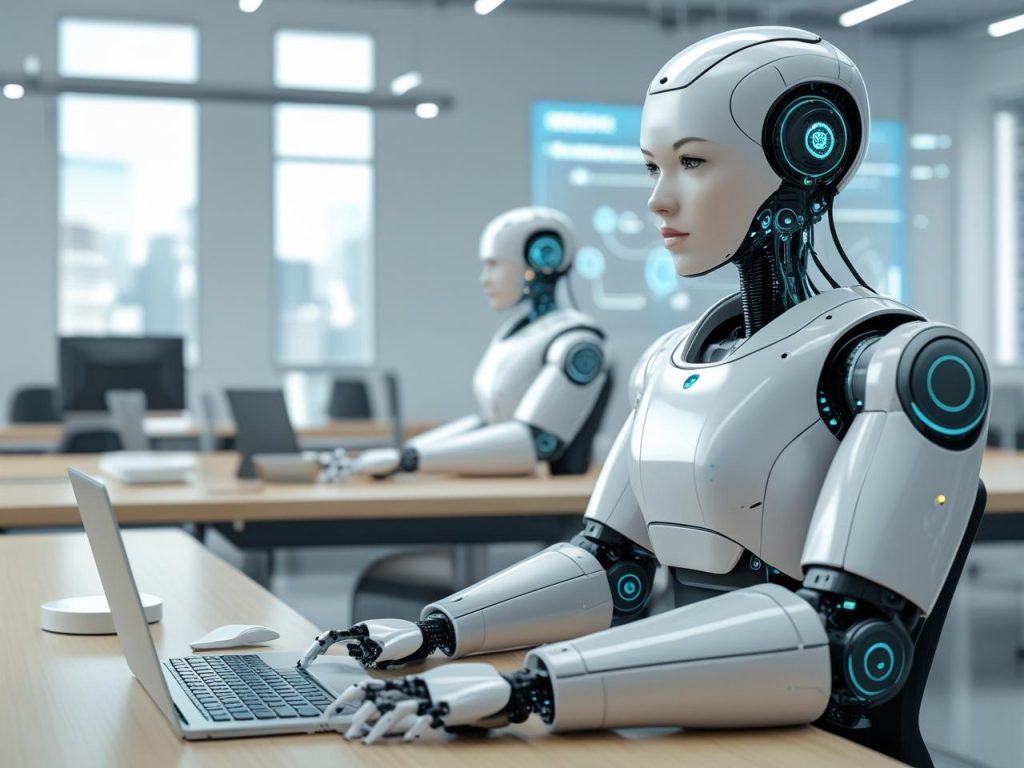
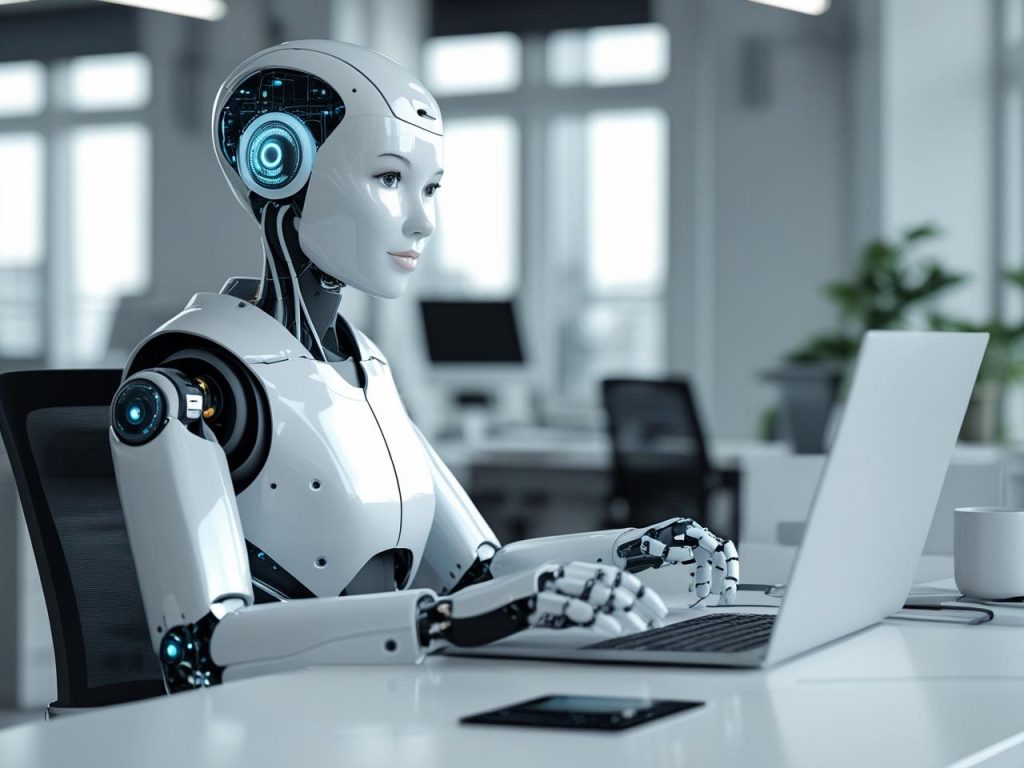
But here’s the thing: this change doesn’t have to be the end—it can be a beginning. While AI may replace certain jobs, it’s also creating brand-new opportunities we couldn’t have imagined ten years ago. In this post, we’ll walk through 23 jobs that AI is predicted to replace by 2026. This isn’t about fear—it’s about awareness. Because when you know what’s coming, you can plan, pivot, and prepare for a future where your skills still shine.
1. Data Entry Clerks
Data entry is one of the first areas where AI has already started to make an impact. Since the job involves repetitive tasks like typing numbers into systems, AI tools can now do this more accurately and much faster. By 2026, most companies will fully rely on automation for these tasks, minimizing human error and saving time.
2. Telemarketers
With AI-powered chatbots and voice assistants, cold calls can now be handled by software that doesn’t need lunch breaks. These bots can answer questions, provide scripted responses, and even handle objections with pre-programmed logic. That makes telemarketing jobs highly replaceable shortly.
3. Fast Food Workers (Order Takers)
Fast food chains are already introducing AI systems at drive-thrus and self-service kiosks. By 2026, most ordering roles will likely be automated, especially in high-volume locations. AI can handle orders with speed and consistency, reducing the need for human staff at the front counter.
4. Retail Cashiers
Self-checkout lanes are just the beginning. With AI-based scanning systems, facial recognition for payments, and smart carts, many retail cashier jobs may disappear. Stores are moving toward cashier-less experiences where AI handles the entire transaction without any human interaction.
5. Receptionists (in Basic Settings)
In offices, clinics, and hotels, AI chat systems and voice assistants are replacing receptionists for handling bookings, answering common questions, and directing calls. Unless the role involves high-touch, emotional communication, it’s vulnerable to AI takeover by 2026.
6. Proofreaders
AI grammar tools like Grammarly and ChatGPT can now spot spelling, grammar, and even tone issues in seconds. While human editors are still needed for more nuanced editing, basic proofreading jobs are likely to shrink as AI takes over the simple checks.
7. Travel Agents
With platforms like Google Travel, Booking.com, and AI chatbots that can build entire itineraries, traditional travel agents are becoming less necessary. Consumers can now book complex trips with just a few clicks, guided by AI that understands preferences and budget.
8. Delivery Drivers (Local)
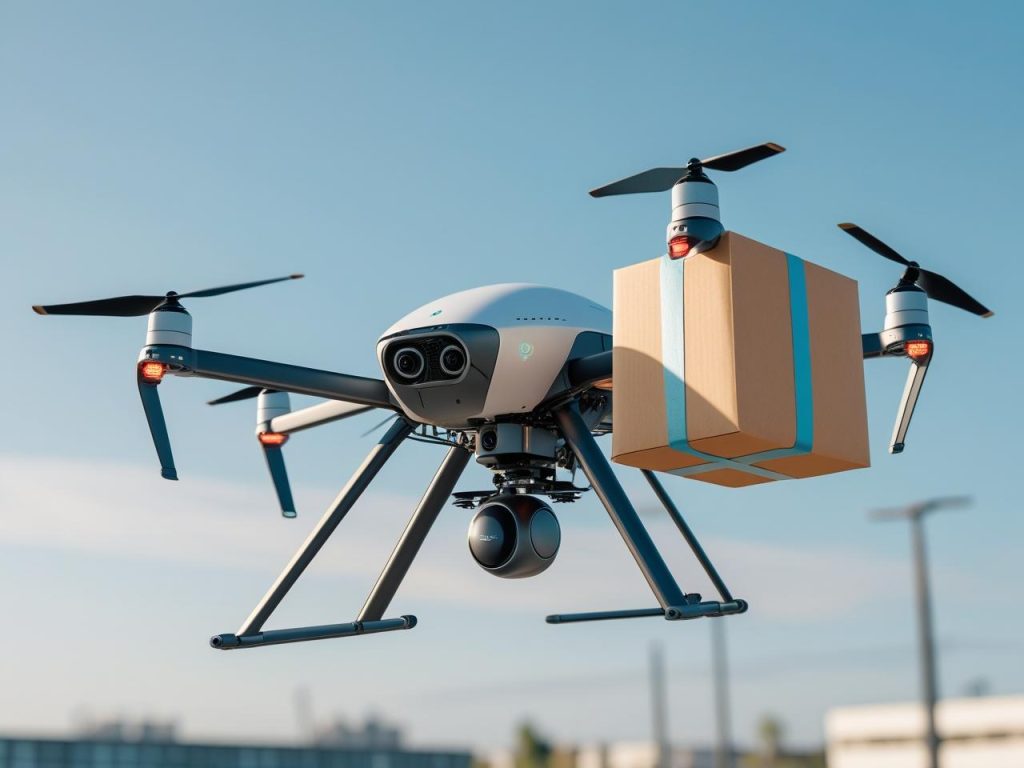
Autonomous delivery robots and drones are already being tested in cities across the world. By 2026, we’ll likely see a large shift in local deliveries—especially for food and small packages—being handled by machines, not people.
9. Market Research Analysts
AI can now analyze massive data sets in real-time, predict trends, and even suggest marketing strategies. While humans are still valuable for interpreting emotions and cultural cues, the data-heavy side of market research will likely become increasingly AI-driven.
10. Bank Tellers
Mobile banking apps and AI-powered customer service tools are making in-person bank visits rare. ATMs, digital assistants, and facial ID technologies are reducing the need for human tellers, especially for everyday transactions.
11. Manufacturing Line Workers
In factories, robots powered by AI already handle tasks like sorting, packaging, and assembly. As the technology becomes more affordable and precise, even small manufacturing plants will begin replacing manual jobs with machines by 2026.
12. Warehouse Workers
Amazon and other giants are leading the charge in warehouse automation, using AI-powered robots to pick, pack, and move items around. As logistics become smarter and faster, fewer human hands will be needed on the warehouse floor.
13. Taxi and Ride-Hailing Drivers
With self-driving cars advancing rapidly, ride-hailing services like Uber and Lyft are testing autonomous fleets. While full automation may take a little longer in some cities, we can expect a noticeable shift by 2026—especially in controlled environments like airports and campuses.
14. Ticketing Agents (Events and Transport)
AI chatbots and apps can now handle ticket bookings for flights, concerts, and buses. Kiosks at train stations and airports have already replaced many human ticket agents, and this trend is set to expand.
15. Customer Support Representatives
AI chatbots are getting smarter at handling customer complaints, processing refunds, and offering solutions. By 2026, many companies will rely on AI to manage support tickets, only escalating complex or emotional issues to human staff.
16. Real Estate Assistants
While real estate agents may not be going anywhere just yet, their assistants—who help with scheduling, basic listings, and inquiries—are being replaced by AI scheduling tools and smart CRM systems that automate much of the client communication.
17. Security Guards (Basic Surveillance)
AI surveillance systems can detect movement, recognize faces, and even flag suspicious behavior. In places where guards mostly watch monitors, AI is already taking over. However, for high-risk zones that require human judgment, people will still be essential.
18. Paralegals
AI legal software can now search case files, draft contracts, and even spot inconsistencies in legal documents. Many tasks traditionally handled by paralegals will be automated by 2026, though lawyers will still need human support for more complex work.
19. Insurance Underwriters
AI algorithms can evaluate risk factors based on a person’s data history faster than any human. Insurance companies are already using this technology to speed up policy approvals, making traditional underwriter roles less common in the future.
20. Journalists (for Routine News)
AI can now write basic news reports—weather updates, sports scores, and earnings reports—using templates and data input. While investigative journalism and human storytelling remain irreplaceable, routine reporting is being increasingly automated.
21. Translators (Basic Tasks)
With AI translation tools like DeepL and Google Translate improving rapidly, basic translation jobs (like translating product descriptions or emails) are becoming automated. That said, cultural nuance and emotion in language still require a human touch.
22. Inventory Managers
Smart inventory systems powered by AI can track stock levels, predict demand, and even reorder products automatically. This reduces the need for manual inventory management roles, especially in retail and e-commerce settings.
23. Radiologists (Initial Screening)
AI is already being used in hospitals to scan X-rays and MRI results for signs of diseases. In many cases, it can spot issues faster than the human eye. By 2026, initial screenings will likely be automated, with human doctors stepping in for complex cases.
Conclusion
The idea that AI could replace your job is hard to swallow. It brings uncertainty, questions, and sometimes fear. But the future doesn’t have to be scary. It can be empowering—if we prepare for it.Yes, some jobs will disappear. But others will transform. New roles will emerge—ones that require creativity, emotional intelligence, adaptability, and human connection. These are qualities no machine can replicate.
If your job is on this list, don’t panic. Start learning new skills. Get curious about tech. Explore areas where humans will always matter—strategy, empathy, leadership, and innovation. The best way to stay relevant in an AI world is to lean into what makes you human.
The future is coming fast. But if we prepare wisely, it can be a future filled with possibility, not fear.


 By
By

 By
By