
Introduction
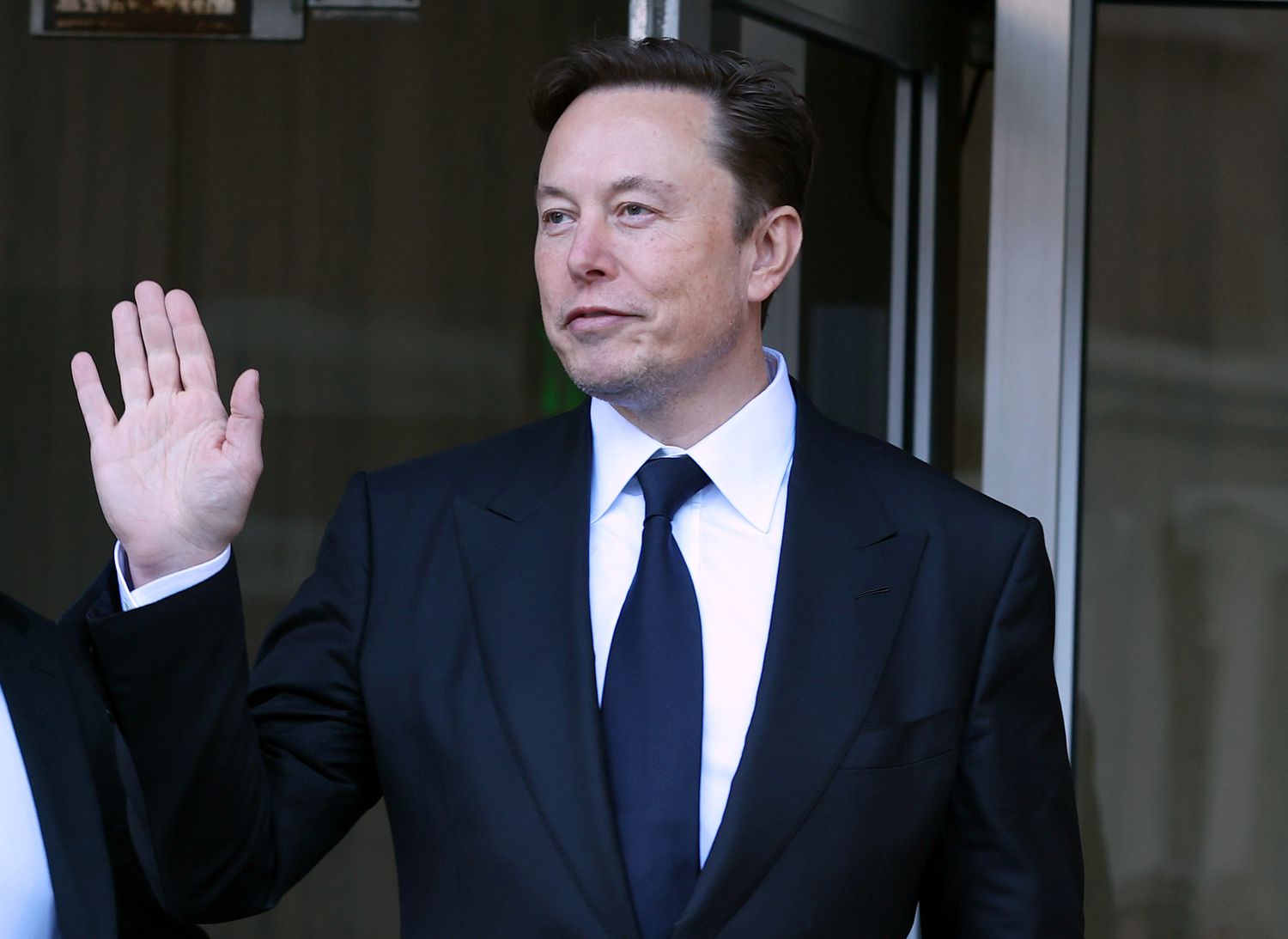
Elon Reeve Musk was born on June 28, 1971, in Pretoria, South Africa. From a young age, Musk stood out for his voracious curiosity. Raised by a Canadian mother, Maye Musk, a dietitian and model, and a South African father, Errol Musk, an electromechanical engineer, Elon was surrounded by technical discussions and entrepreneurial thinking.
At just 12 years old, Elon developed and sold a video game called Blastar. His early love for computers and programming was only matched by his deep passion for science fiction. Books by authors like Isaac Asimov and Douglas Adams would later influence many of the daring projects he would launch.
Moving to North America: The Leap of Faith
In 1989, Musk left South Africa for Canada to attend Queen’s University. He later transferred to the University of Pennsylvania, earning degrees in physics and economics. But Elon wasn’t content with just an academic path—he had bigger dreams.
In 1995, Musk started a PhD program in applied physics at Stanford University, but dropped out just two days later. The internet was booming, and Elon saw an opportunity too big to ignore.
Zip2: Elon’s First Startup
Musk’s first venture was Zip2, a company he co-founded with his brother Kimbal Musk. Zip2 provided business directories and maps for newspapers—an early version of what we now know as Google Maps.
Compaq acquired Zip2 in 1999 for $307 million, earning Elon around $22 million for his shares. At just 27 years old, he had already tasted the sweet success of entrepreneurship. But this was only the beginning.
PayPal: Transforming Online Payments
After Zip2, Musk founded X.com, an online banking startup. In 2000, X.com merged with Confinity, which had developed a money-transfer service called PayPal. Musk became the largest shareholder and played a key role in shaping its vision.
In 2002, eBay acquired PayPal for $1.5 billion, and Musk walked away with $180 million. For most, that would have been a lifetime win. But for Elon, it was fuel for the next big dream: space.
SpaceX: Shooting for the Stars
In 2002, Musk launched Space Exploration Technologies Corp. (SpaceX) with the goal of making space travel affordable and accessible. People laughed. How could a man with no aerospace background build rockets?
But Elon was serious.
SpaceX’s early years were rocky. The company’s first three rocket launches failed. Money was running out. But in 2008, on their fourth try, SpaceX successfully launched the Falcon 1 into orbit—the first privately built, liquid-fueled rocket to do so.
NASA took notice and awarded SpaceX a $1.6 billion contract to transport cargo to the International Space Station. Since then, SpaceX has achieved remarkable feats:
- Reusable rockets (Falcon 9)
- Crewed missions (Crew Dragon)
- Starlink satellite internet service
- Plans for Mars colonization with Starship
Musk’s dream is to make humans a multiplanetary species—a vision that’s now closer than ever.
Tesla: Driving the Electric Revolution
In 2004, Musk joined Tesla Motors (now Tesla, Inc.) as chairman and later became CEO. Tesla’s mission? To accelerate the world’s transition to sustainable energy.
In a world dominated by gas-guzzling vehicles, electric cars were seen as boring and impractical. Musk flipped the script. The Tesla Roadster, followed by the Model S, Model X, Model 3, and Model Y, proved that electric vehicles could be fast, stylish, and efficient.
Tesla didn’t stop at cars. The company introduced:
- Autopilot (self-driving software)
- Gigafactories (mass production of batteries)
- Powerwall and Solar Roof (home energy solutions)
Today, Tesla is one of the world’s most valuable companies, and Musk has become a household name in the auto and energy industries.
Other Ventures: Neuralink, The Boring Company, and More
While building SpaceX and Tesla, Musk also launched Neuralink, a company developing brain-machine interfaces. The idea? To merge human consciousness with AI and help treat neurological conditions like paralysis and Alzheimer’s.
He also founded The Boring Company to reduce traffic congestion through underground tunnels. The first demo, the Las Vegas Loop, is already in operation.
Musk is also a co-founder of OpenAI, the AI research lab behind ChatGPT, and has expressed deep interest in AI safety and governance.
X (formerly Twitter): A Controversial Acquisition
In 2022, Musk acquired Twitter for $44 billion. His aim was to promote free speech and make the platform more open, though the acquisition sparked debate and controversy. Renaming it to X, Musk envisions a future where the platform becomes an all-in-one “everything app,” similar to WeChat in China.
Leadership Style: Bold, Relentless, and Risk-Taking
Musk is not your typical CEO. He’s known for:
- Sleeping at factories
- Firing entire teams if needed
- Working 100-hour weeks
- Tweeting without filters
While some criticize him for being too impulsive, even erratic, others see it as raw genius. Musk thrives on challenges and isn’t afraid to fail, learn, and try again.
Challenges and Controversies
Elon’s journey hasn’t been smooth. He’s faced:
- Production delays at Tesla
- Accusations of labor violations
- SEC lawsuits over tweets
- Criticism over workplace culture
Yet through all this, he has remained undeterred. His ability to bounce back from failure is what makes him so unique.
Net Worth and Global Impact
As of 2025, Elon Musk is one of the richest people in the world, with a net worth fluctuating between $200-$250 billion, depending on Tesla’s stock price.
But Musk often says, “I’m not in it for the money.” His actions back that up—he reinvests nearly all his wealth into innovation and infrastructure.
His global impact includes:
- Inspiring a new generation of engineers and entrepreneurs
- Accelerating clean energy adoption
- Revolutionizing space travel
- Shaping conversations around AI, climate change, and more
Lessons From Elon Musk’s Journey
- Dream Big, Act Bigger: Musk doesn’t just talk about change—he builds it. His projects start as bold ideas and turn into world-changing realities.
- Fail Fast, Learn Faster: From exploding rockets to missed production targets, Musk embraces failure as part of growth.
- Focus on Purpose: Every company he builds tackles a major global problem—whether it’s clean energy, interplanetary life, or transportation.
- Work Ethic Matters: Musk’s insane work schedule is a testament to the power of focus and dedication.
Closing Thoughts: The Man Rewriting Tomorrow
Elon Musk is more than an entrepreneur—he’s a visionary builder of the future. Whether you admire him or criticize him, one thing is certain: he’s changing the world in ways few others ever have.
From a curious kid in South Africa to a billionaire CEO shaping the world’s destiny, Musk’s journey is proof that radical dreams, relentless execution, and fearless thinking can rewrite what’s possible.
So, as you reflect on your own journey, ask yourself:
What’s your bold idea—and are you willing to chase it the way Elon Musk does?


 By
By
 By
By