
Introduction
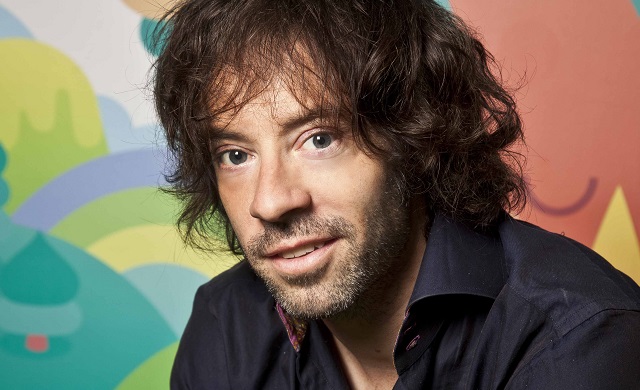
In a world dominated by hard metrics, aggressive pitches, and cutthroat competition, Michael Acton Smith stands as a refreshingly different breed of entrepreneur. Known for fusing imagination with innovation, this British entrepreneur has created magical experiences for millions across the globe. From digital monsters to mindful sleep apps, Smith’s entrepreneurial journey is a masterclass in reinvention, creativity, and resilience.
This blog explores the extraordinary life, ventures, and philosophies of Michael Acton Smith — the man behind Mind Candy, Moshi Monsters, and Calm. If you’re an aspiring entrepreneur, creative thinker, or dreamer, his story offers timeless lessons in perseverance, evolution, and the power of staying curious.
Humble Beginnings and a Curious Mind
Michael Acton Smith was born in 1974 in Marlow, a picturesque town on the River Thames in England. Unlike many entrepreneurs who start tinkering with computers or building lemonade stands early on, Smith’s path was less conventional. He wasn’t obsessed with technology in his early years — he was obsessed with imagination.
Books, fantasy, and storytelling formed the foundation of his early creative passions. He attended Birmingham University, where he studied geography, but his heart was always pulled toward ventures that blurred the lines between business and play. After graduating, he dabbled in various creative ideas until one day, a spark ignited that would shape his life’s first major venture.
Founding Mind Candy: The Birth of Playful Innovation
In 2004, Smith launched Mind Candy, a company built to merge gaming with storytelling. The first project? A puzzle-based alternate reality game called Perplex City.
It was revolutionary for its time. Players around the world engaged in real-life and online adventures, decoding clues hidden in newspapers, websites, and even phone booths. While the game garnered a cult following, the business model struggled. After raising millions in funding and pouring endless creativity into the game, the venture didn’t deliver sustainable revenue.
Rather than calling it quits, Smith did what great entrepreneurs do: pivot.
He realized the importance of creating not just immersive puzzles but lovable characters and emotionally resonant experiences for younger audiences. From the ashes of Perplex City rose his most iconic creation, Moshi Monsters.
Moshi Monsters: Building a Digital Playground
Launched in 2007, Moshi Monsters was a virtual world where children could adopt colorful monsters, customize their homes, play educational games, and interact with other users. The platform was free-to-play, with premium upgrades for additional content.
By 2011, the game had exploded in popularity, attracting over 80 million users worldwide. Children were obsessed, and Moshi Monsters became a brand — not just a game. It expanded into toys, music albums, books, a magazine, a Nintendo DS game, and even a full-length feature film.
Smith became a recognizable face in the UK tech scene. He was dubbed the “Willy Wonka of Digital” and even awarded an OBE (Order of the British Empire) in 2014 for his services to the creative industries. Yet, even as the Moshi empire was peaking, a storm was brewing.
The Downfall of Moshi Monsters: A Sobering Chapter
The rapid success of Moshi Monsters made it look unstoppable. But the digital world is unforgiving. The rise of smartphones and mobile apps disrupted the online gaming model for kids. Browser-based platforms were losing traction as children migrated to tablets and mobile-first apps.
Moshi Monsters failed to make the leap.
Despite multiple attempts to revive the franchise on mobile, the momentum had faded. In 2019, due to Adobe Flash being phased out and waning interest, Moshi Monsters officially shut down.
The fall was painful — both emotionally and financially. Smith admitted in interviews that the pressure, stress, and disappointment during that period were intense. For someone who had built a digital world that brought joy to millions, watching it fade was heartbreaking. Yet again, Smith didn’t quit. Instead, this moment became a turning point.
Reinvention and the Birth of Calm
In the midst of his struggles post-Moshi, Michael Acton Smith took a step back — literally and mentally. Like many stressed-out entrepreneurs, he explored meditation as a way to manage his mental health. The practice had a profound effect on him. That’s when he reconnected with a friend and fellow entrepreneur, Alex Tew — best known for The Million Dollar Homepage.
Together, they had discussed the idea of a mindfulness and meditation app years before, but the timing hadn’t been right. Now, both of them saw the massive rise in anxiety, burnout, and insomnia around the world, and they knew they could create something meaningful. In 2012, they launched Calm.
Initially, the app was straightforward: it offered a few guided meditations, breathing exercises, and relaxing sounds. But Smith and Tew had big dreams. They wanted Calm to be more than an app, they wanted to create a global brand that would make the world healthier and happier. And they did.
Calm’s Meteoric Rise
By 2017, Calm had grown quietly into one of the most popular mindfulness apps on the App Store. What set it apart was its brand personality — soothing, beautifully designed, and almost magical. Much of that came from Smith’s storytelling and design sensibilities developed during his Mind Candy days.
The app introduced features like:
- Sleep Stories, narrated by celebrities like Matthew McConaughey and Stephen Fry
- Breathing exercises and soundscapes
- Mental fitness content for stress, focus, and anxiety
- Calm Kids, bringing mindfulness to younger users
In 2019, Calm became the first mental wellness unicorn, valued at over $1 billion. It won Apple’s App of the Year and amassed over 100 million downloads.
Calm also ventured into music, books, and even TV. It became a cultural phenomenon — a go-to app for everyone from corporate executives to school children and even professional athletes.
Michael Acton Smith had successfully reinvented himself from a playful game designer to a wellness industry pioneer.
Entrepreneurial Philosophy: Lessons from Michael Acton Smith
Michael’s journey is full of insights for entrepreneurs, creatives, and dreamers alike. Here are some of the most powerful lessons his story teaches:
1. Curiosity Over Convention
Smith never followed a traditional career path. He let curiosity guide him — whether it was puzzles, monsters, or meditation. That willingness to explore unusual ideas led to world-changing products.
2. Reinvention is a Superpower
From Perplex City’s flop to Moshi’s fall, Smith didn’t give up. He adapted, learned, and moved forward. In an era where change is constant, reinvention is not just valuable — it’s necessary.
3. Brand Matters More Than Product
Whether it was Moshi or Calm, Smith focused on storytelling, design, and emotion. He created brands that resonated deeply, not just apps or games. Entrepreneurs should think about how their product feels, not just how it functions.
4. Build for Joy and Impact
Smith’s ventures have always been about making people feel something — delight, wonder, peace. In the digital age, products that offer emotional value often outperform those that just offer utility.
5. Mental Health Matters
Smith has openly spoken about the challenges of burnout and stress. He turned that pain into purpose with Calm. Entrepreneurs must prioritize mental well-being — it’s not a luxury, it’s a necessity.
Life Today: Still Dreaming, Still Building
Michael Acton Smith remains deeply involved with Calm and continues to be a leading voice in digital wellness. He splits his time between the UK and California and frequently speaks at global conferences about entrepreneurship, mindfulness, and creativity.
While he maintains a lower profile than during the Moshi days, his impact is deeper and more enduring. He’s quietly helping millions sleep better, live calmer lives, and find peace in a noisy world.
Final Thoughts: The Magic of Michael Acton Smith
Michael Acton Smith’s story is a powerful reminder that entrepreneurship isn’t a straight line — it’s a series of creative experiments, highs, lows, and reinventions. It’s about daring to be different, taking risks on whimsical ideas, and believing in something before the world does.
From building magical monsters to soothing meditations, he has shown that business can be both playful and purposeful. In a time where the pressure to hustle never stops, Smith invites us to slow down, dream big, and build things that bring light into the world.
For every aspiring founder, creative rebel, or burned-out professional — there’s something in Michael’s journey that speaks to the soul.


 By
By

 By
By