Bringing a dog into your life is one of the most rewarding experiences you can have. They’re loyal, loving, and full of personality. But let’s be honest—owning a dog also comes with its challenges. One of the biggest is training.
If you’ve ever come home to chewed-up shoes, struggled with leash pulling, or felt embarrassed when your dog ignores you in public, you’re not alone. Training your dog can feel overwhelming at first, especially if you’re a new pet parent or have a particularly stubborn pup. But here’s the good news—it doesn’t have to be that way.

With the right mindset, consistent techniques, and a whole lot of patience and love, training your dog can become a fun and bonding experience. It’s not just about commands like “sit” or “stay.” It’s about communication, trust, and building a relationship where both you and your dog understand each other.
In this post, we’ll explore practical, proven tips and strategies to help you train your dog effectively—whether they’re a puppy just learning the ropes or an older dog in need of a behavior refresh. Every tip is designed to be simple, doable, and effective for everyday dog owners like you.
1. Start With a Positive Mindset
Before we dive into techniques, let’s talk about mindset. Dog training requires patience, consistency, and compassion. If you go into it feeling frustrated or rushed, your dog will sense that energy and may become anxious or confused.
Remember, dogs aren’t born knowing what we expect of them. Just like us, they need time to learn. Instead of seeing training as a chore, try to view it as an opportunity to build a strong and loving bond with your pet. Your attitude will make all the difference.
Encouragement and praise go a long way. Celebrate small wins, and don’t expect perfection overnight. Progress, not perfection, is what truly matters.
2. Use Positive Reinforcement
This is the golden rule of dog training: Reward the behavior you want to see again. Positive reinforcement means giving your dog a reward—like a treat, toy, praise, or petting—right after they do something you want them to repeat.
Dogs learn through association. If sitting when asked leads to a yummy treat, they’ll be more likely to do it again. On the other hand, if jumping up means no attention, they’ll eventually stop.
Avoid punishment or yelling—it doesn’t teach your dog what to do, and it can harm your bond. Instead, focus on rewarding good behavior and redirecting unwanted behavior in a calm and consistent way.

3. Be Consistent With Commands
Dogs thrive on consistency. If one day you allow your dog to jump on the couch and the next day you scold them for it, they’ll be confused. Pick your rules, stick to them, and make sure everyone in the household is on the same page.
Use the same word or phrase for each command. For example, if you want your dog to lie down, stick with “down” instead of switching between “lie down,” “lay,” or “get down.”
Repetition helps your dog understand and remember what you’re asking. Consistency builds trust and speeds up the learning process.
4. Keep Training Sessions Short and Fun
Dogs—especially puppies—have short attention spans. Instead of long, drawn-out sessions, aim for multiple short sessions throughout the day, each lasting about 5 to 10 minutes.
Make it feel like a game. Use your happy voice, bring out the treats or favorite toys, and end each session on a positive note. If your dog gets something right, celebrate! Clap, praise, and reward them.
Training should never feel like a punishment. When it’s fun, your dog will look forward to it—and so will you.
5. Start With Basic Commands
Begin with the foundational commands: “sit,” “stay,” “come,” “leave it,” and “down.” These are not only useful in daily life but also essential for your dog’s safety.
Each time you teach a new command, break it into small steps. For example, to teach “sit,” hold a treat above your dog’s nose and slowly move it back. As their head goes up, their rear will naturally go down. Once they sit, say “sit” and give them the treat.
Practice each command in a quiet place first. Once your dog gets the hang of it, gradually introduce distractions to build reliability.
6. Use Treats Wisely
Treats are a great motivator, especially during the early stages of training. Use small, soft treats your dog loves—something they don’t get during regular meals.
However, don’t rely on treats forever. Once your dog learns a behavior, start using variable rewards: sometimes a treat, sometimes just praise, sometimes a belly rub. This keeps your dog interested without making them treat-dependent.
Also, keep portion sizes in mind. Training treats should be tiny—about the size of a pea—so you can reward frequently without overfeeding.
7. Practice in Real-Life Situations
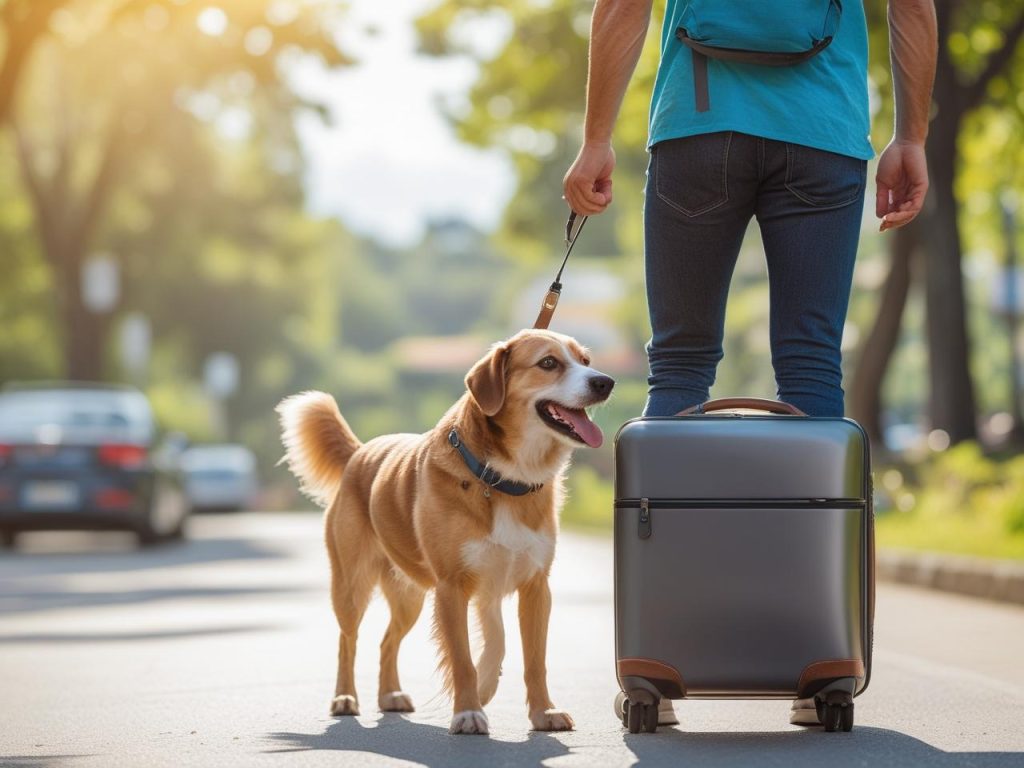
It’s one thing for your dog to sit at home in a quiet room. It’s another for them to listen at the park, with squirrels and kids and other dogs running around.
Practice commands in different environments: indoors, in the backyard, on walks, and at the dog park. Start with low distractions and gradually build up. This is called proofing the behavior.
The more your dog practices listening in real-world situations, the more reliable they’ll become, even when it really counts.
8. Be Patient With Setbacks
Training is not always a straight line. Some days your dog will nail every command, and the next day it may feel like they’ve forgotten everything. That’s normal.
Setbacks happen due to stress, changes in routine, or simply being tired. Instead of getting frustrated, take a step back. Go back to basics, lower the distractions, and give your dog a chance to succeed again.
Celebrate the journey, not just the destination. Every dog learns at their own pace, and that’s perfectly okay.
9. Address Problem Behaviors Early
Nipping, chewing, barking excessively, or jumping on people—these are common problems that can escalate if ignored. The key is to address them early and consistently.
For example, if your puppy bites during play, stop the game and walk away. This teaches them that biting ends the fun. If your dog barks at the doorbell, teach them to go to a “quiet spot” instead.
Redirect unwanted behaviors toward something more acceptable and reward that instead. The earlier you intervene, the easier it is to shape the behavior.
10. Use Tools When Necessary (Responsibly)
There are training tools that can help reinforce good behavior—like harnesses for pulling, clickers for marking behavior, or crates for house training. But they should be used correctly and kindly.
Avoid choke collars, prong collars, or shock devices—they can cause fear and physical harm, and there are more humane alternatives that work better in the long run.
If you’re not sure what tools are best for your dog’s needs, consult with a certified dog trainer who uses positive reinforcement methods.

11. Socialize Your Dog Early
Socialization is just as important as obedience training. It helps your dog learn how to behave around people, other dogs, noises, and different environments.
Puppies go through a critical socialization period between 3 and 14 weeks old. Expose them to a variety of experiences in a calm, positive way. Let them meet people of all ages, hear different sounds, walk on various surfaces, and see the world around them.
For older dogs, socialization still matters. Go slowly, reward calm behavior, and use every outing as a learning opportunity.
12. Build Trust Through Routine and Love
At the heart of training is trust. Your dog needs to know they can rely on you—that you’re clear, fair, and loving. This trust is built through daily routines, consistent rules, and positive interactions.
Feed them at the same time, go for regular walks, and give them plenty of affection. Training becomes easier when your dog feels secure and connected to you.
A well-trained dog isn’t just obedient—they’re confident, happy, and eager to please because they know they’re loved.
13. Know When to Ask for Help
Sometimes, no matter how hard you try, you might hit a wall. Maybe your dog is showing aggression, fear, or anxiety. Maybe training feels more stressful than fun. That’s okay.
Don’t be afraid to ask for help. A certified dog trainer or behaviorist can give you personalized guidance and support. There’s no shame in reaching out—in fact, it shows how much you care.
The goal isn’t to be perfect—it’s to keep improving and doing the best you can for your dog.
Conclusion
Training your dog isn’t about dominance or control. It’s about communication, trust, and teamwork. When you take the time to train with love, patience, and consistency, you’re not just teaching your dog how to behave—you’re building a lifelong bond that’s rooted in respect and understanding.
Every dog is different, and every journey will be unique. Some dogs learn quickly, while others take more time. But no matter where you start, progress is always possible—and it’s worth every effort.
So take a deep breath, grab those treats, and enjoy the journey. Because at the end of the day, it’s not just about a well-trained dog—it’s about a happy, connected life together.


 By
By

 By
By